 Sunrise Marine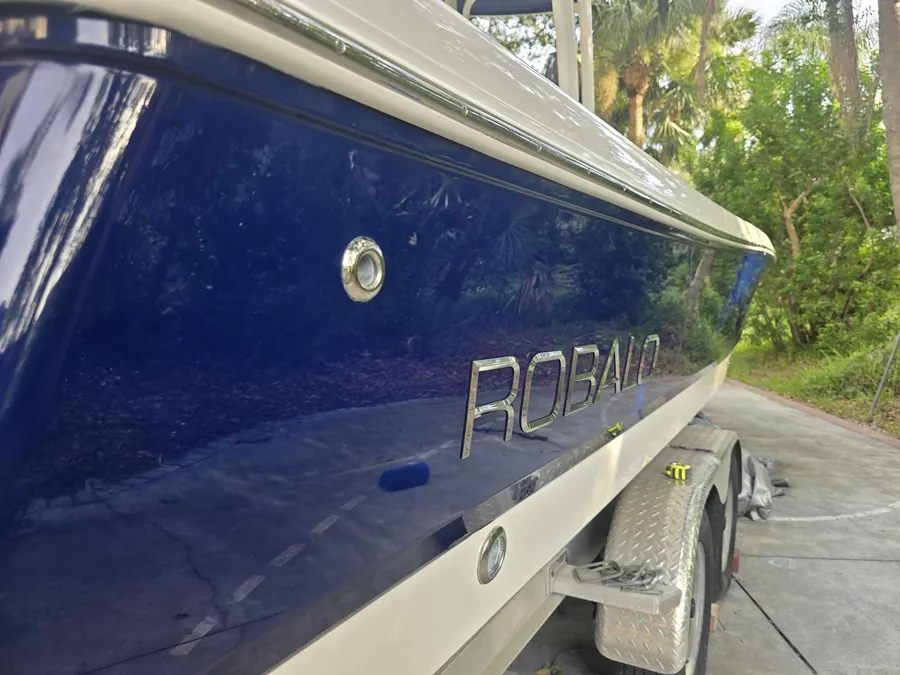
Your boat gelcoat needs oxidation removal when the surface looks chalky, faded, or dull instead of glossy. Those changes are caused by UV exposure breaking down the outer layer of your hull. The good news is that most oxidation can be reversed with the right process.
What Is Gelcoat Oxidation?
Gelcoat oxidation is the breakdown of a boat's outer resin surface caused by sun, saltwater, and heat. The gelcoat is the thin, hard layer that gives your hull its color and shine. When UV rays attack it over time, the surface becomes dull, porous, and rough.
Florida sun is especially harsh. Boats on Tampa Bay face intense UV exposure nearly every day of the year. That means oxidation can develop faster here than in cooler, cloudier climates.
The Main Signs Your Gelcoat Is Oxidized
1. Chalky White Residue
Rub your hand across the hull. If white or gray powder comes off on your palm, that is oxidation. This chalky residue is broken-down gelcoat resin. It will not go away with a simple rinse.
2. Faded or Washed-Out Color
A healthy gelcoat holds a rich, deep color. Oxidation bleaches pigment from the surface over time. Blues turn pale, reds go pink, and white hulls take on a yellowy or grayish cast.
If your boat looked vibrant when you bought it and now looks flat, oxidation is likely the cause. Color fade is one of the easiest signs to spot from a distance.
3. Loss of Gloss
A fresh gelcoat is glossy, almost like wet paint. Oxidation creates a hazy, matte look instead. Stand back and look at your hull in direct sunlight. If there is no shine, the surface has oxidized.
4. Rough or Gritty Texture
Run your fingernail lightly across the hull. Healthy gelcoat feels smooth. Oxidized gelcoat feels rough or gritty, almost like fine sandpaper. That texture means the surface has become porous.
Porous gelcoat absorbs dirt, algae, and stains much more easily. The longer you wait, the harder it is to restore the surface cleanly.
5. Water No Longer Beads
After a rain or a rinse, watch what water does on your hull. On a well-protected surface, water forms tight beads and rolls off. On an oxidized hull, water spreads flat and soaks in.
This is a clear sign the protective layer is gone. Your hull is now exposed to everything the water and sun can throw at it.
6. Stains That Won't Wash Off
Rust streaks, waterline stains, and dark spots are harder to remove from oxidized gelcoat. The porous surface grips contaminants. A regular wash will not lift them. This is often when boat owners first call for help.
Why Florida Boats Oxidize Faster
Tampa Bay and the Gulf Coast have some of the highest UV index readings in the country. Add salt air, warm water, and year-round use, and your gelcoat is under constant stress. Boats stored in the water oxidize faster than those on trailers or under cover.
Even boats with a fresh wax can start showing early oxidation within a season if they sit uncovered in direct sun. Regular maintenance washes and wax slow the process down significantly.
Ready for a showroom shine?
Free quote, mobile to your dock across Tampa Bay. Same-week booking.
Light Oxidation vs. Heavy Oxidation
Light oxidation shows as slight dulling and minor chalkiness. The color is mostly intact. This stage responds well to a buff and wax process and can often be addressed during a full detail.
Heavy oxidation means deep color loss, thick chalking, and a very rough surface. This requires more aggressive compounding and multiple passes to cut through the damage. The sooner you act, the less work is needed.
If your boat is at the heavy stage, professional oxidation removal is the right call. Trying to fix heavy oxidation with store-bought wax rarely works and can waste time and money.
What Comes After Oxidation Removal?
Once the oxidized layer is removed and the gelcoat is restored, you need to protect it. A quality wax will add a temporary barrier against UV and water. For longer-lasting protection, a ceramic coating bonds to the surface and can hold up for years with proper care.
Pairing restoration with ongoing deep cleaning keeps the hull in better shape between details. Staying on a regular schedule is the easiest way to avoid heavy oxidation in the future.
Serving Boaters Across Tampa Bay
If your hull is showing any of these signs, the team at Sunrise Marine Detailing can help. We are a mobile service, so we come directly to your dock or slip. We serve boaters throughout Pinellas County and the Tampa Bay area, including Tampa, Largo, Dunedin, and the Gulf Coast communities. Pricing varies by boat size and condition. Contact us to schedule a visit or get a quote for your boat.
FAQ
How do I know if my boat has light or heavy oxidation?
Light oxidation looks like slight dulling and minor chalkiness, with color mostly intact. Heavy oxidation shows thick chalking, deep color fading, and a rough, gritty texture. When in doubt, a quick wipe test with a damp cloth can reveal how much residue comes off the surface.
Can I remove boat oxidation myself?
Light surface oxidation can sometimes be improved with consumer-grade compounds and a polisher. However, heavy oxidation usually needs professional equipment and experience to restore the gelcoat without causing damage. Attempting it without the right tools can burn through the gelcoat layer.
How often does a boat in Tampa Bay need oxidation treatment?
It depends on how the boat is stored, how often it is used, and what protection is in place. Boats left in the water without a cover can show early oxidation within a season. Regular waxing or a ceramic coating can extend the time between treatments significantly.
Will oxidation removal restore my boat's original color?
In most cases, yes. Removing the oxidized layer exposes fresher gelcoat underneath, which holds more of the original color and gloss. Very severe or long-neglected oxidation may have penetrated deeply enough that full color restoration is not possible without painting.
Does waxing my boat prevent oxidation?
Wax creates a barrier between the gelcoat and UV rays, which slows oxidation. It is not a permanent fix, since wax breaks down over time, especially in a sunny climate like Tampa Bay. Reapplying wax regularly or upgrading to a ceramic coating gives better long-term protection.